Top 12 Best Japanese Fabric Scissors You Can’t Miss!
Anyone who has tried sewing with dull or cheap scissors knows how frustrating it can be to wrestle fabric instead of cutting it smoothly. The best japanese fabric scissors are designed to cut through layers of cloth cleanly without lifting or snagging, which saves time and keeps edges neat. Poor-quality scissors often have blades that dull quickly or handles that cramp the hand, making detailed sewing tasks harder than they need to be.
The key to a good pair of japanese fabric scissors lies in the steel quality and blade angle. High-carbon steel blades hold a sharp edge longer than stainless steel and resist rust better. The blades are usually angled between 30 to 35 degrees to optimize cutting power without requiring excessive force.
Handle size and shape also matter; ergonomic designs reduce hand fatigue during extended use, fitting comfortably whether you have small or large hands.
Need a Quick Check?
| Image | Product | Price |
|---|---|---|
Our Top Picks 1 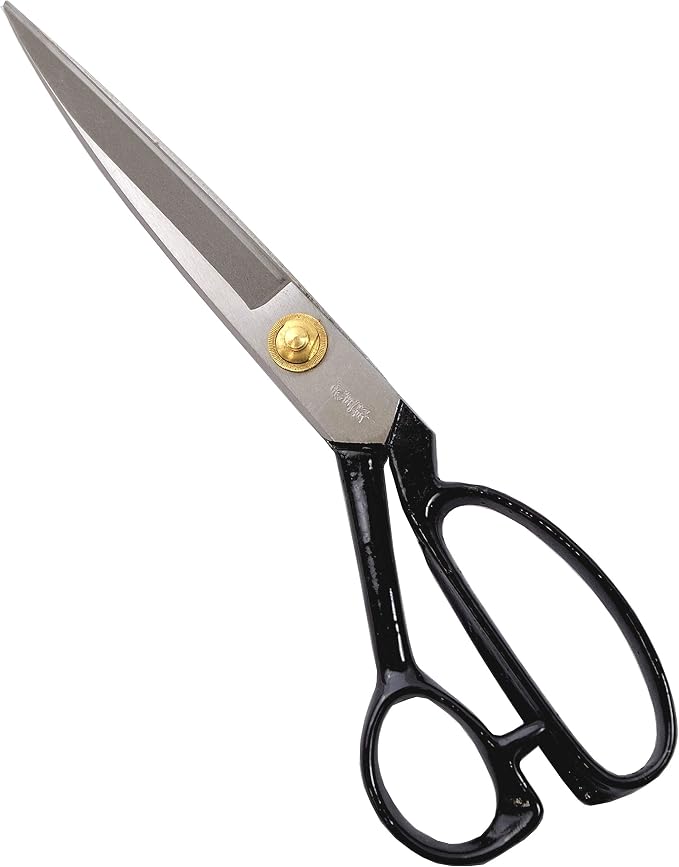 | KAKURI 9.5 Japanese Scissors | Check Price |
Our Top Picks 2  | Pro 10 Inch Fabric Scissors | Check Price |
Our Top Picks 3  | TONMA TFSG-1 9 Inch Scissors | Check Price |
Our Selected Top 12 Japanese Fabric Scissors Worth Considering
This list features carefully chosen Japanese fabric scissors known for their precision and durability. Each review explains how the scissors perform, who they are best suited for, and highlights their main strengths and potential drawbacks to help you make an informed decision.
1. KAKURI Japanese Fabric Scissors 9.5
Slicing through fabric feels precise and smooth with these scissors. They are ideal for anyone who works with a range of materials, from delicate cloth to thicker textiles like carpets.
The standout feature is the sharpness of the Japanese steel blade, offering clean cuts every time without much effort.
Daily use involves comfortable handling thanks to the moderately offset design, which reduces wrist strain during extended sewing sessions. The scissors hold their edge well, cutting efficiently without frequent sharpening. The traditional brass screw adds both durability and a touch of classic styling, reflecting the careful craftsmanship behind the tool.
Cutting performance lives up to the reputation of Japanese steel, maintaining sharpness over time for smooth fabric slicing. The build quality is sturdy, with every pair handmade and inspected by skilled artisans. Most praise focuses on the long-lasting sharp blades, while the common downside is the scissors may feel heavier than some ultralight models.
The scissors consistently deliver exceptional sharpness due to hand-finished Japanese steel blades, ensuring clean cuts across various fabrics. However, the weight can be noticeable during extended use, which might affect comfort for some. The traditional craftsmanship shines through in both function and aesthetics.
Those working regularly with diverse fabrics and valuing blade longevity will appreciate this pair. Crafters seeking ultra-lightweight options or adjustable sizing may want to look elsewhere. The scissors offer reliability and precision best suited to dedicated sewing or tailoring environments.
Pros
- Sharpness holds up through frequent use
- Comfortable offset Japanese style handle
- Durable brass screw adds stability
- Handmade quality from Tsubame-sanjo
Cons
- Heavier than some modern fabric scissors
- Only one size available at 9.5 inches
| Specification | Details |
|---|---|
| Brand Name | KAKURI |
| Unit Count | 1 Count |
| Manufacturer | KAKURI |
| Model Number | 40916 |
| Manufacturer Part Number | 40916 |
2. Professional Fabric Scissors 10 Inch
Professional Fabric Scissors 10 Inch are ideal for anyone needing precise cuts on a variety of materials. Best suited for tailors and crafters, their biggest strength lies in the sharpness and stability provided by high-carbon steel blades that handle heavy fabrics with ease.
Setup is straightforward since these scissors come ready to use with no adjustments needed. Day-to-day cutting feels controlled thanks to the heavier weight, which helps keep the blades steady when slicing through denim, leather, or multiple fabric layers. The heavy-duty design makes these scissors dependable for more than just fabric, extending to plastics and cardboard as well.
Performance is smooth and clean, thanks to the hard, sharp blades made from high-carbon steel. The strong construction supports precise, controlled cutting every time.
Most praise highlights the sharpness and stable feel in hand. The main complaint revolves around the weight, which some find heavier than expected for prolonged use.
The scissors hold up well to frequent use with blades that stay sharp and cut straight through tough materials. Users often notice the weight as a downside during extended use, which can tire the hand more quickly than lighter scissors.
People who work primarily with heavy or layered fabrics will appreciate how well these scissors handle thickness and density. Those who prefer lighter tools or need adjustable blade tension might want to look for alternatives better suited to lighter or more delicate cutting tasks.
Pros
- Sharp blades cut smoothly through thick fabrics
- Heavyweight design offers better control
- Durable high-carbon steel construction
- Multi-purpose for fabric, leather, and cardboard
Cons
- Heavier weight may cause hand fatigue
- No adjustable tension for blade tightness
| Specification | Details |
|---|---|
| Brand Name | Homlynn |
| Model Number | HL-B10 |
| Unit Count | 1 Count |
| Material | High Carbon Steel |
| Number of Items | 1 |
| Manufacturer | Homlynn |
3. TONMA 9 Fabric Scissors TFSG-1
Crafted from Japanese NK-9 high-carbon nickel alloy steel, these fabric scissors deliver sharp, durable cutting guaranteed to suit anyone working with heavy or layered textiles. Made in Japan, their major strength is the excellent edge toughness that prevents chipping even with demanding use.
Day-to-day use feels reliable thanks to 5.0 mm thick blades that stay sharp longer when cutting dense materials. The 9-inch size fits comfortably in hand and is well balanced, helping you maintain control during long cutting sessions. Setup is minimal with no need for constant adjustments, allowing you to start cutting fabric right away.
Cuts through multiple layers of fabric cleanly and smoothly, showing precision that tailors demand. The build is solid with hardened steel rated at HRC 60±1, making it resistant to wear. Praise mostly highlights the long-lasting sharpness, while a common downside mentioned is the weight, which might tire hands during extended use.
Sharpness holds up very well thanks to the high-carbon nickel alloy steel and blade thickness. Weight is the tradeoff, with most noting it as the main challenge when cutting for long periods.
Ideal for anyone handling thick textiles or layered fabric who values precision and durability. Those looking for something lighter or smaller might prefer a different model designed with lighter materials or shorter blades.
Pros
- Extremely sharp blades resist chipping
- Comfortable 9-inch size for most hands
- Strong edge retention for heavy fabric
- Thick blades provide stability when cutting
Cons
- Heavier than some other fabric scissors
- May cause hand fatigue in long sessions
| Specification | Details |
|---|---|
| Brand Name | TONMA JP |
| Model Number | TFSG-1 |
| Blade Thickness | 5.0 mm |
| Steel Type | Japanese NK-9 high-carbon nickel alloy steel |
| Hardened to | HRC 60±1 |
| Size | 9 inches |
4. Japanese Fluorine Coated Stainless Steel Scissors 7.3

Fluorine coating stands out right away, making these scissors ideal for anyone dealing with sticky tapes or adhesives often. They suit crafters, designers, and anyone needing precise, smooth cuts without the annoyance of residue buildup.
Their biggest strength lies in combining high-grade Japanese stainless steel with a special coating for clean, easy cutting.
At 7.3 inches long and weighing just 1.9 ounces, these scissors feel balanced and comfortable in the hand. The ergonomic design helps during prolonged use with minimal fatigue.
The fluorine coating really lives up to its promise, preventing sticky materials from gumming up the blades, which makes everyday cutting tasks less frustrating and much quicker. They’re ready to use right out of the box and stay sharp thanks to the careful artisanal finishing.
The two-stage blade finish cuts smoothly through various materials, showing impressive sharpness day after day. Precision is noticeable, thanks to the handcrafted blades from Seki City, famous for fine Japanese scissors and knives. Most praise centers on how cleanly and accurately they cut, while a few mention the relatively light weight feels less sturdy compared to heavier scissors.
Users appreciate how cleanly these scissors cut through adhesive materials without sticky buildup, thanks to the fluorine coating. The sharpness and precision from Seki craftsmanship are frequently praised. Some find the lightweight design less substantial, preferring something heavier for tougher tasks.
People who prioritize clean, smooth cutting for paper or fabric and dislike sticky residue will enjoy these scissors. Those needing heavier-duty or multi-pack scissors may want to explore other choices better suited to large or rough cutting jobs.
Pros
- Fluorine coating stops sticky residue buildup
- Lightweight and comfortable for extended use
- Sharp blades maintain precision longer
- Ergonomic design suits most hand sizes
Cons
- Lighter weight might feel less durable
- Single unit pack limits options for multiple uses
| Specification | Details |
|---|---|
| Material | High-grade Japanese Stainless Steel |
| Blade Type | Two-stage finish |
| Length | 7.3 inches |
| Weight | 1.9 oz |
| Coating | Fluorine |
| Manufacturer | Product of Gifu Japan |
5. Kai 7250 10 Inch Shears

Choosing shears with a strong knife edge and comfortable grip makes cutting fabric precise and easier. Ideal for those handling various textiles, these 10-inch fabric scissors offer durable construction combined with smooth operation for detailed and heavy-duty cuts.
Day-to-day use involves handling the elastomer handles that fit well in hand, reducing fatigue during long periods of cutting. Powder coating protects the blades from wear while lock nuts keep the tension steady, preventing the scissors from loosening over time.
The spring washer allows for fluid opening and closing, keeping every cut consistent without added effort.
Cutting performance remains sharp, with the knife edge enabling clean, accurate slices through different materials. The build quality is solid, featuring reliable manufacturing by KAI and attention to practical details.
Users appreciate the smooth movement and grip comfort, though some find the 10-inch size a bit heavy for extended use without breaks.
Smooth movement and comfort stand out as highlights due to the spring washer and elastomer handles. Commonly noted drawback relates to the weight, which can be tiring after long sessions. The powder coating helps maintain the condition of the blades even with frequent use.
People who cut a lot of fabric and want precise control will appreciate the features and sturdy feel. Those seeking a lighter, smaller pair for occasional or delicate tasks might want to look at alternatives better suited for lighter-duty work.
Pros
- Elastomer handles for comfortable grip
- Spring washer ensures smooth opening and closing
- Knife edge allows precise fabric cutting
- Powder coating adds durability to blades
Cons
- May feel heavy during extended use
- Only one size available
| Specification | Details |
|---|---|
| Brand Name | KAI |
| Model Number | KAI7250 |
| Item Type Name | Shears |
| Number of Packs | 1 |
| Unit Count | 1 Count |
| Manufacturer Part Number | KAI7250 |
6. Professional Fabric Scissors 10 Inch Heavy Duty

Cutting multiple fabric layers accurately can be a real challenge during sewing projects. These Professional Fabric Scissors 10 Inch Heavy Duty are ideal for anyone who needs reliable, sharp shears designed specifically for fabric. Their most notable strength is the ultra-sharp edge that slices smoothly through thick materials without dragging or fraying.
Unboxing is simple since there’s just one pair, ready for immediate use. The handles are rounded and ergonomically designed to fit comfortably without causing hand cramps, even after long sewing sessions. The rubberized grips help maintain control and precision, making it easier to follow pattern lines without slipping.
This scissors handles multiple fabric layers well, which saves time and effort on cutting.
Made from high carbon steel, the blades hold their edge longer than typical stainless steel scissors, allowing for cleaner cuts across various textiles. The build feels solid but balanced, so it’s not cumbersome while chopping through thick fabric stacks.
Users often praise the sharpness and durability, while some mention the weight can feel a bit heavy for finer, delicate fabrics.
Users appreciate the sharp blades that maintain edge retention even after cutting through thick fabric layers. The most common downside mentioned is the somewhat heavy feel, which can impact control during fine, intricate cutting.
People working with heavy or multilayered fabrics will find these scissors very effective and comfortable, especially for longer projects. Those who mostly cut lightweight or detailed patterns might prefer lighter, more nimble scissors for precision work.
Pros
- High carbon steel blades stay sharp longer
- Ergonomic, rounded handles reduce hand fatigue
- Rubberized grip offers precise control
- Efficient cutting through multiple fabric layers
Cons
- Feels heavy for delicate or small cutting tasks
- Single pack only, no spare or extra options
| Specification | Details |
|---|---|
| Brand Name | Proshear |
| Model Number | SP-parent |
| Manufacturer | Proshear |
| Manufacturer Part Number | SP-parent |
| Unit Count | 1 Count |
| Number of Items | 1 |
7. Kai 5210 8-inch Dressmaking Shears

Sharpness stands out in these 8-inch dressmaking shears, crafted in either Japan or Vietnam. Ideal for serious sewing enthusiasts, they offer clean and accurate cuts on fabric.
Their consistent edge quality is a real advantage when precision matters most.
Handling these shears feels balanced and sturdy, which helps when working on detailed dressmaking projects. The 8-inch length allows for comfortable cutting of larger fabric pieces without tiring your hand quickly.
Regular maintenance is simple, helping keep the sharpness intact over time with minimal effort.
Cutting through multiple layers of fabric is generally smooth thanks to the shears’ sharp blades and solid build. They’re crafted to last, with strong materials used in production. A common note from users highlights their sharpness as a key strength.
Some mention slight heaviness after extended use.
Sharpness receives strong praise, making it easy to achieve clean fabric cuts with minimal effort. The most common complaint concerns the weight, which can feel noticeable after long periods of use.
Great for anyone needing sharp, reliable scissors for dressmaking, especially those who don’t mind a bit of extra weight. Users looking for ultra-light shears might consider other options.
Pros
- Very sharp blades for precise cutting
- Well-balanced for controlled use
- Durable construction from quality materials
- Comfortable 8-inch size for various fabrics
Cons
- Slightly heavy during extended cutting sessions
- Made in Vietnam or Japan, some prefer consistent origin
| Specification | Details |
|---|---|
| Brand Name | KAI |
| Model Number | N5210 |
| Unit Count | 1 Count |
| Item Type Name | Shears |
| Manufacturer | KAI |
| Manufacturer Part Number | N5210 |
8. TONMA 10 Fabric Scissors TSS-2

Ideal for tailors and serious DIY crafters, these fabric scissors handle heavy and layered materials with ease. Their standout feature is the ability to cut through up to 32 layers of fabric while maintaining sharpness and smooth cutting action.
Setting up the scissors is straightforward since they come ready to use. You’ll notice the sturdy feel right away due to the thick 4mm forged blades.
Day to day, the scissors glide smoothly over thick denim, leather, and canvas without snagging or requiring frequent sharpening, making long projects less tiring.
The blades cut cleanly and maintain sharpness after thousands of cuts, thanks to Japanese SRS-13 micro-carbide steel with a hardness rating of HRC 60±1. The build feels solid and balanced, perfect for precise tailoring tasks. One recurring issue is the weight, which can be a bit heavy for delicate, quick snips.
One major highlight is the blades’ ability to cut through thick layers smoothly without dulling after extensive use. A common drawback is the weight, which some find cumbersome for lighter materials or fast, repetitive cuts.
People working mostly with heavy fabrics or multiple layers will appreciate the strength and precision. Those needing lighter scissors for quick, delicate cuts might want to explore other options that are easier to handle.
Pros
- Extremely sharp blades stay sharp after 25,000+ cuts
- Handles very thick and multiple layers with ease
- Forged blades provide strong, durable cutting
- Great for heavy-duty fabrics like leather and denim
Cons
- Relatively heavy for lightweight or quick cutting tasks
- Single pack only, no extras included
| Specification | Details |
|---|---|
| Brand Name | TONMA JP |
| Model Number | TSS-2 |
| Blade Material | Japanese SRS-13 micro-carbide steel |
| Blade Thickness | 4mm |
| Cutting Capacity | Through 32 layers of fabric |
| Hardness (HRC) | 60±1 |
9. TONMA 8.2 Fabric Scissors TCS-1

TONMA 8.2 Fabric Scissors TCS-1 stand out for their use of Japanese SG-2 powder metallurgy stainless steel, making them ideal for anyone needing a highly durable and sharp tool for cutting multiple fabric layers. Their biggest strength lies in maintaining sharpness and balance over long-term use.
Daily use is straightforward thanks to the scissors’ heavy-duty build and 3 mm-thickened blades. They cut through up to 32 layers of fabric, including tough materials like leather, denim, and cotton, without slowing down.
The rust-proof and corrosion-proof properties mean the scissors remain reliable through everyday sewing or tailoring tasks, without frequent maintenance.
Performance is impressive since these scissors deliver clean cuts through thick textiles with ease. The solid SG2 stainless steel and specialized heat treatment ensure a long-lasting ultra-edge that rarely needs sharpening. Most praise highlights the razor-sharp blades and lifetime durability.
Some notes mention the weight could feel a bit heavy for extended use.
The scissors receive strong praise for their razor-sharp blades and ability to cut through very thick fabric layers with minimal effort. The most common drawback is the noticeable heaviness, which might be uncomfortable for prolonged cutting sessions. Careful handling is recommended if using for hours at a time.
Those who work with heavyweight fabrics or need scissors that keep their sharp edge for years will appreciate this pair. People seeking a lightweight, beginner-friendly pair might want to look for alternatives better suited to lighter or casual use.
Pros
- Cuts up to 32 fabric layers easily
- Rust-proof and corrosion-proof blades
- Heavy-duty build for lasting durability
- Precision ultra-sharp edge maintained
Cons
- Heavier weight may tire hands in long use
- Single pack only, no additional accessories
| Specification | Details |
|---|---|
| Brand Name | TONMA JP |
| Model Number | TCS-1 |
| Material | Japanese SG-2 Powder Metallurgy Stainless Steel |
| Blade Thickness | 3 MM |
| Number of Items | 1 |
10. TONMA 10 Fabric Scissors TFSR-2

TONMA TFSR-2 fabric scissors are crafted from Japanese KS200 manganese steel, built for lasting sharpness and precision. Ideal for serious sewing and fabric cutting, they stand out for their rust resistance and smooth cutting experience, making them a reliable choice for anyone who regularly cuts multiple fabric layers.
Using the scissors daily is straightforward thanks to the groove blade design that keeps fabric from jamming while cutting. The 2mm deep groove scrap catcher maintains smooth, controlled cuts, even through several layers.
Hand-forged in Japan through 13 processes, the blades stay sharp well beyond typical scissors, requiring minimal maintenance in regular use.
Performance excels with industrial-grade steel that resists rust and corrosion, promising a lifetime of quality. The scissors easily handle layered fabric with clean, consistent cuts.
Praise often highlights the sharpness and durable balance, while the most common complaint centers on the weight, which some find a bit heavy for extended use.
Sharpness and resistance to rust rank high among the product’s praises, making it ideal for cutting multiple fabric layers. A common issue is the heavier weight, which could tire hands during prolonged use.
Anyone needing professional-grade, durable fabric scissors will appreciate this model. Light users or those preferring lighter tools may want to consider alternatives better suited for occasional cutting or comfort over long sessions.
Pros
- Resistant to rust and corrosion for lifetime use
- Sharp edges from 13-step hand forging
- Groove blade prevents fabric jamming
- Balanced design for controlled cutting
Cons
- Weight may feel heavy for some users
- Single pack only, no additional accessories
| Specification | Details |
|---|---|
| Brand Name | TONMA JP |
| Model Number | TFSR-2 |
| Material | 100% Japanese special solid manganese steel |
| Blade design | Groove blade with 2mm deep groove scrap catcher |
| Made in | Japan |
11. Japanese Stainless Steel Craft Scissors 7

Feels solid in hand and cuts through fabric cleanly, making it ideal for crafters and sewists who want precision without fatigue. The standout feature is its angled blade design, which helps keep cuts straight and accurate over longer lengths. Perfect for users working with a mix of materials needing exact trimming.
Handling these scissors feels comfortable thanks to ergonomic handles shaped for most hand sizes. They don’t cause strain during extended use, which is a real relief when working on large projects.
The angled blades let you follow fabric edges easily, and switching between materials like leather and plastic feels natural without having to adjust grip or pressure.
Cuts come out sharp and straight, reflecting careful design aimed at precision. The stainless steel blades stay sharp enough for clean edges on various materials including fabrics, cardboard, and plastic. Constructed with durability in mind, these craft scissors show no wobble in joints or flimsy parts.
One common drawback noted is the blade length might feel short for very large fabric rolls.
The scissors offer accurate straight cutting and comfortable use over time. Solid build quality supports working on varied materials without blade loosening. Most appreciate how easy it is to achieve precise lines, while some wish the blades were longer for bigger fabric pieces.
Crafters focusing on detailed cutting will find these scissors well suited. Those handling very large fabric widths might prefer longer blades to avoid repeated repositioning. This pair fits well for everyday craft and fabric work requiring both accuracy and comfort.
Pros
- Angled blades for precise straight cuts
- Comfortable, ergonomic handles
- Sharp stainless steel blades
- Works on multiple materials
Cons
- Blade length may be short for large projects
- Single pack limits having backups
| Specification | Details |
|---|---|
| Brand Name | Beaditive |
| Model Number | S-732 |
| Unit Count | 1 Count |
| Item Type Name | Craft Scissors |
| Manufacturer | Beaditive |
12. CANARY Japanese Sewing Scissors 8.25

Perfect for sewing enthusiasts working on both delicate and heavy fabrics, these scissors stand out for their expertly sharpened Japanese stainless steel blades. They provide reliable precision and durability, making them ideal for anyone serious about fabric cutting.
The scissors arrive ready to use and feel balanced in hand thanks to the ABS resin handle. Designed with brass screws suited for cutting wool, they glide smoothly through various materials without snagging. A safety blade sheath adds convenience and protection, making storage and transport worry-free.
Cutting performance excels on large and small fabric pieces, slicing cleanly every time. The build quality reflects traditional Seki craftsmanship with sharpness that lasts.
The main praise highlights durability and sharpness, while the only common downside is that the handle might feel a bit bulky to some users.
Cutting remains smooth and precise thanks to sharp Japanese steel, though some users find the handle a bit large compared to other scissors. The included safety sheath is practical for safe storage and transport.
Those regularly working with thicker fabrics or wool will appreciate the reliable blade sharpness and durability. Users needing very fine or intricate cuts might want to explore options with smaller blades or slimmer grips.
Pros
- Sharp blades crafted in Seki City for precision
- Brass screws ensure smooth cutting of thick fabric
- Safety blade sheath for secure storage
- Comfortable ABS resin handle
Cons
- Handle may feel bulky for smaller hands
- Blade length limits use for very detailed cuts
| Specification | Details |
|---|---|
| Total Length | 8.25″ |
| Blade Length | 3.15″ |
| Blade Material | Japanese Stainless Steel |
| Handle | ABS resin |
| Origin | Made in Seki, Japan |
Best Japanese Fabric Scissors Comparison Table
| Product | Brand | Size | Item Type | Manufacturer |
|---|---|---|---|---|
| KAKURI 9.5 Japanese Scissors | KAKURI | 9.5 Inch | Scissors | KAKURI |
| Pro 10 Inch Fabric Scissors | Homlynn | 10 Inch | Fabric Scissors | Homlynn |
| TONMA TFSG-1 9 Inch Scissors | TONMA JP | 9 Inch | Fabric Scissors | TONMA |
| Japanese Fluorine Steel 7.3 | Product of Gifu Japan | 7.3 Inch | Scissors | Product of Gifu Japan |
| Kai 7250 10 Inch Shears | KAI | 10 Inch | Shears | KAI |
| Heavy Duty 10 Inch Scissors | Proshear | 10 Inch | Scissors | Proshear |
| Kai 5210 8 Inch Shears | KAI | 8 Inch | Shears | KAI |
| TONMA TSS-2 10 Inch Scissors | TONMA JP | 10 Inch | Dressmaker Tailor Scissors | TONMA |
| TONMA TCS-1 8.2 Inch Scissors | TONMA JP | 8.2 Inch | Fabric Scissors | TONMA |
| TONMA TFSR-2 10 Inch Scissors | TONMA JP | 10 Inch | Commercial Fabric Scissors | TONMA |
| Japanese Craft 7 Inch Scissors | Beaditive | 7 Inch | Craft Scissors | Beaditive |
| CANARY 8.25 Sewing Scissors | CANARY | 8.25 Inch | Sewing Scissors | CANARY |
- BrandKAKURI
- Size9.5 Inch
- Item TypeScissors
- ManufacturerKAKURI
- BrandHomlynn
- Size10 Inch
- Item TypeFabric Scissors
- ManufacturerHomlynn
- BrandTONMA JP
- Size9 Inch
- Item TypeFabric Scissors
- ManufacturerTONMA
- BrandProduct of Gifu Japan
- Size7.3 Inch
- Item TypeScissors
- ManufacturerProduct of Gifu Japan
- BrandKAI
- Size10 Inch
- Item TypeShears
- ManufacturerKAI
- BrandProshear
- Size10 Inch
- Item TypeScissors
- ManufacturerProshear
- BrandKAI
- Size8 Inch
- Item TypeShears
- ManufacturerKAI
- BrandTONMA JP
- Size10 Inch
- Item TypeDressmaker Tailor Scissors
- ManufacturerTONMA
- BrandTONMA JP
- Size8.2 Inch
- Item TypeFabric Scissors
- ManufacturerTONMA
- BrandTONMA JP
- Size10 Inch
- Item TypeCommercial Fabric Scissors
- ManufacturerTONMA
- BrandBeaditive
- Size7 Inch
- Item TypeCraft Scissors
- ManufacturerBeaditive
- BrandCANARY
- Size8.25 Inch
- Item TypeSewing Scissors
- ManufacturerCANARY
How to Choose the Right Japanese Fabric Scissors
Choosing the right Japanese fabric scissors depends on blade sharpness, handle comfort, and material quality, which ensure precise cuts and reduce hand fatigue. Investing in well-made scissors saves money by lasting longer and prevents fabric damage, making sewing easier and more enjoyable.
Blade Material and Sharpness
High-carbon steel blades tend to stay sharp longer compared to regular stainless steel, which matters a lot when cutting fabric daily. Low-quality steel dulls quickly and can leave ragged edges on delicate materials like silk or chiffon, making your workmanship look unprofessional.
Stainless steel offers better resistance to rust and corrosion, especially important if you work in a humid environment or store scissors near moisture.
Good scissors strike a balance between sharpness and durability, often featuring high-carbon stainless steel to retain a precise edge over time. Look for blades hardened to a Rockwell hardness rating above 55, which indicates solid durability.
This ensures clean, even cuts across different fabrics without frequent sharpening. Avoid cheaper blades that quickly corrode or chip, those need regular replacement and cause frustration.
Handle Design and Comfort
Scissors that lack ergonomic design can lead to hand cramps or fatigue after cutting through multiple fabric layers, especially during sewing projects spanning hours. Handles molded to fit the natural curve of your fingers reduce strain and improve control.
A grip designed for the dominant hand improves precision and comfort.
Many scissors offer nonslip handles with rubber or textured surfaces that prevent accidental slips during use. Sizes vary, so choose one that fits your hand comfortably, too small and your fingers get cramped, too large and you lose control. This is particularly important for right- or left-handed users, as a proper fit avoids discomfort and improves cut accuracy.
Blade Length and Cutting Capacity
Shorter blades, around 4 to 5 inches, excel at detailed or intricate cutting like trimming appliqués or cutting curves close to patterns. Longer blades near 8 inches handle large fabric pieces more efficiently but can feel unwieldy for fine work.
Choosing the correct length depends on your typical projects.
Cutting through multiple fabric layers demands blades that maintain sharpness without dulling. Good fabric scissors can handle 3 to 5 layers of cotton or similar materials without struggling.
Blades that are too short or low quality might crush fabric instead of slicing cleanly, which slows down workflow and damages material.
Locking Mechanism and Safety
A secure locking mechanism keeps blades safely closed during storage or transport, preventing accidental cuts and blade damage. Poor locks that slip open can cause injuries or dull blades when scissors drop or scrape against hard surfaces.
Locking systems that are easy to operate, such as a simple sliding catch, save time but still keep blades firmly shut. This avoids frustration from fiddling with complicated or stiff locks.
Safety matters particularly if children are around or if scissors are stored in a busy workspace, where accidental openings could be dangerous.
Maintenance and Ease of Cleaning
Daily fabric cutting leaves fibers and threads stuck between blades and joints. Scissors designed for simple disassembly or that have fewer crevices clean easily, extending tool life and maintaining sharpness. Tricky designs trap debris, which dulls blades and impedes smooth cutting.
Materials that resist residue build-up, like polished high-carbon stainless steel, make maintenance more straightforward. Applying a drop of sewing machine oil on the pivot point once in a while keeps action smooth. Designs that allow quick lubrication access save extra effort, making regular upkeep less of a chore.
Maintenance and Sharpening Tips for Prolonging the Life of Japanese Fabric Scissors
Japanese fabric scissors require regular care to keep their sharpness and precision. Clean the blades after each use by wiping them with a soft, dry cloth to remove any fibers or residue. Avoid using water or harsh chemicals that can cause rust or damage the blade finish.
Periodically apply a drop of sewing machine oil to the pivot joint to maintain smooth cutting action. When not in use, store the scissors in a protective sheath or case to prevent accidental dulling or nicks.
Sharpening should only be done when the blades no longer cut cleanly. Use a sharpening stone or take them to a professional service experienced with Japanese steel. Over-sharpening can alter the blade angle, so do it sparingly.
- Keep blades dry and clean after each use.
- Oil the pivot joint occasionally for smooth operation.
- Use a stone or pros for sharpening, avoiding excessive frequency.
- Store with care to prevent damage.
Common Mistakes to Avoid When Using Japanese Fabric Scissors
One common mistake is using Japanese fabric scissors on materials other than fabric. Cutting paper, plastic, or wire can quickly dull the blades or cause chips.
The blades are designed for clean textile cuts, and using them improperly reduces their effectiveness. Another issue is forcing the scissors through thick layers or bulky items, which can strain the pivot and misalign the blades.
Neglecting regular cleaning also leads to sticky blades and less smooth cutting. Leaving threads stuck between the blades can cause uneven cuts or blade damage over time.
Holding the scissors incorrectly, such as squeezing too hard or using an awkward grip, can cause hand fatigue and reduce control.
- Do not cut non-fabric materials with fabric scissors.
- Avoid forcing scissors through heavy or thick layers.
- Clean blades regularly to remove lint and residue.
- Use a comfortable and controlled grip to maintain precision.
Comparing Japanese Fabric Scissors with Other Traditional Cutting Tools
Japanese fabric scissors often differ from other traditional cutting tools like rotary cutters, standard kitchen scissors, or Western-made shears. Their blades tend to be thinner, sharper, and crafted from specific high-carbon steel, providing precise, clean cuts on delicate materials. Unlike rotary cutters, they do not require additional equipment such as cutting mats, giving more flexibility in work environment.
Compared to regular scissors, Japanese fabric scissors usually stay sharper longer and offer a smoother cutting action. This is due to their specialized blade geometry that minimizes fabric distortion or fraying. However, they require more care and are generally reserved strictly for fabric cutting, unlike multi-purpose scissors seen in other sets.
- Thinner, sharper blades ideal for fabric.
- No need for cutting mats like rotary cutters.
- Maintain sharpness longer than many standard scissors.
- Usually not suitable for multi-material cutting.
People Also Asked
How Do I Properly Care for Japanese Fabric Scissors?
Keep Japanese fabric scissors clean and lightly oiled to prevent rust and ensure smooth cutting. Store them in a dry place and avoid cutting paper or other materials that can dull the blades quickly. Regularly wiping the blades after use helps maintain sharpness.
What Size Japanese Fabric Scissors Should I Buy for Sewing?
A 7 to 8-inch pair of Japanese fabric scissors is usually best for sewing. This size provides good control and enough blade length to cut through most fabrics smoothly. Smaller scissors can be used for intricate work, but might not be as effective on larger pieces.
Are Japanese Fabric Scissors Safe for Kids to Use?
Japanese fabric scissors are sharp and not recommended for unsupervised use by kids. Their precision blades require careful handling, which younger children might not have developed yet. Instead, consider scissors designed specifically for children with safety features.
How Long Do Japanese Fabric Scissors Typically Last with Regular Use?
These scissors can last several years with regular use, especially if maintained well. Regular sharpening by a professional ensures the blades stay in good condition. Avoid using them on materials that can dull the blades quickly to help preserve their lifespan.
Can Japanese Fabric Scissors Cut All Fabric Types Without Damage?
Japanese fabric scissors handle most fabric types well without damage if used properly. Very thick or heavy fabrics may require stronger or specialty shears to avoid stress on the blades. Always use the scissors only on fabrics to keep the edges sharp and clean.
Conclusion
Sharpness, weight, and handle comfort stand out as key factors when choosing Japanese fabric scissors. Sharp blades ensure clean cuts on various fabrics, weight affects how easy they are to hold and control, and comfortable handles reduce hand strain during long projects.
Consider how often you’ll use the scissors and your budget to find the best match for your needs. Check the comparison table and detailed picks above to help spot the right balance between quality and price for your sewing space.

I’m Ryan Mitchell, an automotive writer with a solid background in vehicle diagnostics and repair. I cover brake problems, transmission issues, dashboard warning lights, battery troubles, and routine servicing. I explain technical problems in plain language so drivers understand what’s going wrong, talk confidently with their mechanic, and make smarter repair decisions.


